
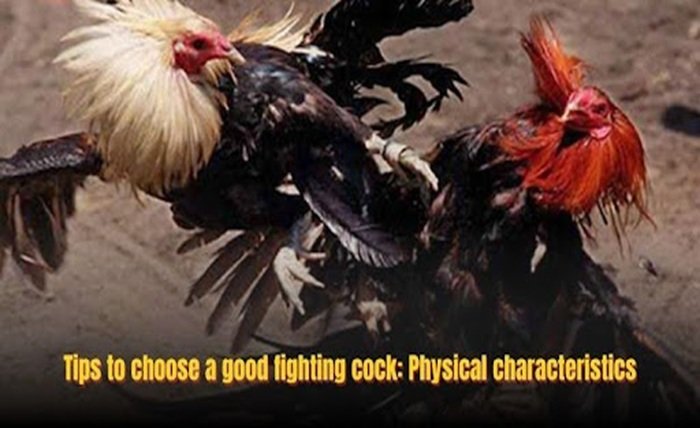
Understanding the right tips to choose a good fighting cock helps you improve your winning chances and avoid unnecessary risks. It’s not just about appearance, but also about bloodline, physical strength, and fighting skills. In this article, you’ll discover essential insights to make smarter decisions, especially when participating on sv388.
Tips to choose a good fighting cock: Physical characteristics
When it comes to cockfighting, choosing the right bird is not just a matter of chance. The physical appearance of a fighting cock provides important clues about its stamina, strength, and overall potential in the ring:
Body shape and overall condition
In tips to choose a good fighting cock of sv388, the body structure and overall condition of a fighting cock are the foundation of its fighting ability.
- Muscle tone and chest size: A strong, broad chest is an indicator of endurance and power. Birds with well-developed chest muscles can deliver forceful blows and sustain energy throughout a match.
- Proportion and posture: A good fighting cock should have a balanced body with an upright, confident posture. This reflects both physical strength and a natural fighting attitude. Disproportionate or slouched birds often lack stamina or coordination.
- Feathers and skin quality: Healthy, tight, and shiny feathers suggest that the bird is well-nourished and in peak condition. The skin should be supple and free from blemishes, as this is often a sign of overall health. Weak or ragged feathers can indicate illness or poor vitality.
Eyes and head features
The head and eyes of a fighting cock provide insight into its intelligence, alertness, and fighting spirit.
- Eye clarity and focus: Bright, clear eyes that constantly scan the environment reflect a high level of alertness and responsiveness. Such birds can react quickly to an opponent’s movements, giving them a tactical advantage.
- Head shape: A compact and solid head indicates balance and control during attacks. Heads that are too large or too small may negatively affect agility or coordination in combat.
- Beak and jaw strength: A firm, well-formed beak and strong jaw structure are crucial for pecking, gripping, and delivering precise strikes. Birds with weak beaks may struggle to inflict damage effectively.
Legs and scales
When exploring tips to choose a good fighting cock, strong legs and proper scale formation are essential for mobility, stability, and striking power.
- Leg strength and alignment: Legs should be straight, muscular, and well-spaced to provide stability and balance during fights. Birds with bent or weak legs may stumble or lack precision when kicking.
- Scale condition: Smooth, well-defined, and evenly arranged scales indicate durability and proper bone structure. Hard, robust scales can help protect the legs from injuries and contribute to powerful kicks.
- Spurs and joints: Sharp spurs and flexible, strong joints enhance offensive capability. Well-developed spurs can deliver effective damage to opponents, while solid joints allow quick movement and pivoting in the ring.
Tips to choose a good fighting cock: Physical characteristics
Tips to choose a good fighting cock from an experienced breeder
These tips to choose a fighting cock reflect the knowledge and practices that experts have refined over many years, ensuring the selection of birds with the best potential in the ring:
Based on breed
The lineage of a fighting cock is one of the most important factors in evaluating its potential.
- Identify proven bloodlines: Following these tips to choose a good fighting cock starts with selecting birds from lines that have a history of strong performance. Successful bloodlines often inherit stamina, agility, and natural fighting instinct.
- Match breed to fighting style: Certain breeds excel at aggressive close-range attacks, while others perform better at long-range or defensive tactics. Choosing the right breed for your strategy is a key tip to choose a good fighting cock.
- Observe inherited traits: Features like body type, wing length, and leg strength often pass down from parent birds. Observing these inherited traits helps identify birds likely to perform consistently in the ring.
Observe fighting style during practice
Watching how a bird behaves in training sessions provides insights that physical appearance alone cannot reveal.
- Assess agility and reflexes: Birds that move quickly, change direction easily, and react promptly to stimuli demonstrate strong coordination, a crucial tip to choose a good fighting cock.
- Evaluate aggression and technique: A confident, calculated fighting approach often indicates intelligence and tactical ability. These behavioral traits are essential in any tip to choose a good fighting cock.
- Practice interactions with other birds: Controlled sparring sessions reveal a bird’s strategic thinking, defense, and attack capabilities. Observing these behaviors helps refine your selection using expert Bắn cá sv388 tips.
Check overall health
A bird’s health is fundamental to its performance and longevity in the ring.
- Examine physical condition: Bright eyes, tight feathers, solid muscles, and a firm posture are indicators of a healthy and fight-ready cock an essential tip to choose a good fighting cock.
- Inspect legs and joints: Strong legs, smooth scales, and sharp spurs enhance mobility and striking power. These features are key elements in professional tips to choose a good fighting cock.
- Monitor behavior and energy levels: Active, alert, and energetic birds are usually healthier and more competitive. Observing energy levels is a practical tip to choose a good fighting cock.
Tips to choose a good fighting cock from an experienced breeder
The importance of choosing a good fighting cock
In the world of cockfighting, the quality of your bird can make or break your success in the ring. Selecting the right fighting cock is not just about luck-it requires careful observation, experience, and strategy:
Performance in the ring
A high-quality fighting cock directly impacts how well your bird performs during matches.
- Birds with superior stamina, strength, and agility can endure longer fights and adapt to their opponents’ strategies.
- Proper selection based on physical traits, fighting style, and lineage key points covered in expert sv388 tips to choose a good fighting cock ensures that the bird is competitive from the very start.
- Choosing a weaker or unfit bird can lead to poor performance, increased risk of injury, and wasted time and resources.
Long-term investment
A good fighting cock is not only valuable for a single match but also for long-term breeding and training.
- Strong, well-bred birds can pass on desirable traits to future generations, helping you build a reliable and competitive stock.
- Applying tips to choose a fighting cock allows you to identify birds with both immediate fighting potential and long-term genetic value.
- Investing in the right bird saves money and effort by avoiding repeated losses or the need to constantly acquire new birds.
Safety and well-being
Choosing a quality bird is also crucial for its health and well-being.
- Healthy and well-conditioned cocks are less prone to injuries, illnesses, or fatigue during fights.
- Expert tips to choose a good fighting cock emphasize examining the bird’s body, eyes, legs, and overall condition to ensure it is fit and resilient.
- Prioritizing the bird’s safety helps maintain ethical standards while also protecting your investment.
The importance of choosing a good fighting cock
Conclusion
Applying the right tips to choose a good fighting cock will give you greater confidence in selecting the most suitable bird for competition. From evaluating physical traits to analyzing health and fighting style, every detail matters. When you combine this knowledge with a professional platform like sv388, your chances of success can significantly increase.