
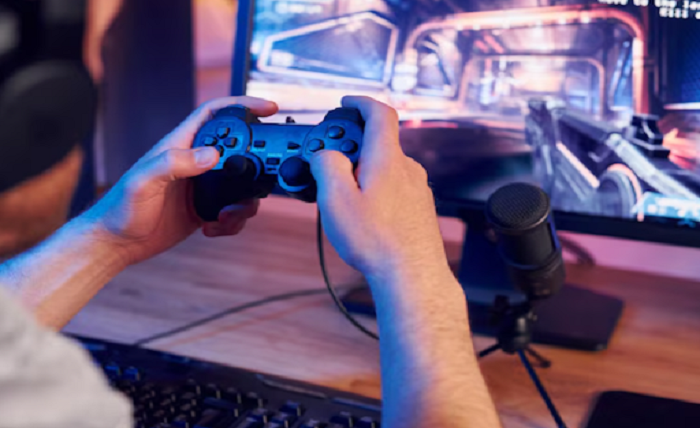
The internet was once mainly a place for reading information, sending emails, watching videos, and browsing websites. Today, people spend a much larger part of their online time inside interactive digital environments. Online gaming has become one of the strongest examples of this shift.
Modern games are no longer limited to short sessions or simple forms of entertainment. Many now combine communication, competition, creativity, social interaction, and live digital experiences. As a result, online gaming is influencing not only what people do on the internet but also how they connect with others and organize their leisure time.
Online Entertainment Is Becoming More Interactive
One of the biggest changes in digital behavior is the move from passive consumption to active participation.
Watching a video or reading an article requires relatively little interaction. Online games, by comparison, ask users to make decisions, respond to events, explore environments, or communicate with other players.
Gaming Is Becoming a Social Online Activity
Online gaming is increasingly connected with digital communication.
Many slot online games include chat systems, multiplayer modes, teams, communities, and shared objectives. These features allow people to communicate while they play, turning gaming into a social experience rather than an isolated activity.
Digital Spaces Are Becoming Meeting Places
For some users, a game is not simply something they open for entertainment. It can also function as a place to meet friends.
Players may log in at a specific time because their friends are online, much like people once arranged to meet at a café, sports ground, or entertainment venue.
Voice chat and messaging tools make these interactions more natural. Players can discuss the game, talk about everyday topics, or simply spend time together while participating in a shared activity.
This has helped online games become part of the wider social internet.
Mobile Devices Have Made Gaming Easier to Fit Into Daily Life
Another major factor changing online habits is mobile accessibility.
Gaming once required a dedicated console or computer. Smartphones and tablets have made many types of games available almost anywhere with an internet connection.
Online Games Are Competing With Other Forms of Digital Entertainment
People have limited leisure time, even when entertainment options seem unlimited.
Streaming platforms, social networks, online games, podcasts, digital books, and video platforms all compete for attention.
Gaming stands out because it often combines several types of entertainment within one experience.
A slot gacor game may contain visual storytelling, music, animation, competition, social communication, live events, and interactive challenges at the same time.
The Difference Between Watching and Participating
Traditional digital entertainment generally places the user in the role of an audience member.
Gaming changes that relationship.
Players often decide where to go, what to do, and how to respond. Even when two people play the same game, their experiences may be slightly different because of their choices.
This level of participation can make digital entertainment feel more personal.
Online Gaming Is Creating New Digital Communities
The influence of gaming extends beyond the game itself.
Players frequently visit forums, social platforms, streaming services, video channels, and community groups connected with the games they enjoy.
This creates a wider network of online activity.
Gaming Continues Outside the Game
A person may spend an hour playing and then spend additional time:
- watching tutorials;
- following gaming creators;
- discussing strategies;
- reading updates;
- sharing screenshots;
- watching live streams;
- participating in community discussions.
Gaming therefore becomes part of a larger digital ecosystem.
The actual game may be the central activity, but many related interactions happen across different websites and platforms.
Game Design Is Influencing Expectations Across the Internet
Modern online games are designed to provide fast feedback and clear interaction.
Buttons respond immediately, animations explain actions, progress systems show achievements, and menus guide users through complex features.
These design ideas are influencing expectations beyond gaming.
Users Expect More Responsive Digital Experiences
People increasingly expect websites and applications to feel smooth, intuitive, and interactive.
Progress indicators, achievement systems, personalized interfaces, animated feedback, and interactive dashboards are becoming more common across digital platforms.
Some of these ideas have long been familiar in games.
As users become accustomed to highly responsive gaming interfaces, they may expect similar levels of clarity and interaction from other online services.
Gaming Is Blurring the Line Between Entertainment and Digital Culture
Online gaming is also becoming closely connected with music, storytelling, sports, fashion, animation, and online communities.
Digital games can host virtual events, feature recognizable characters, introduce creative environments, and encourage users to create their own content.
This makes gaming part of a broader digital culture rather than a separate entertainment category.
Players may discover new music through games, follow creators who focus on gaming content, or participate in communities built around particular virtual worlds.
The boundaries between gaming, social media, streaming, and entertainment are becoming increasingly difficult to separate.
The Way People Spend Time Online Is Becoming More Experience-Based
The larger change behind online gaming is a shift in how people use the internet.
Earlier online behavior often focused on finding information or consuming content. Today, users increasingly look for experiences that allow them to participate.
Gaming fits naturally into this environment because it combines interaction, entertainment, communication, and personalization.
It also gives users more control over how they spend their online time.
Some people prefer short casual sessions, while others participate in longer competitive or social experiences. This flexibility allows gaming to fit many different digital habits.
Conclusion
Online gaming is changing internet use by making digital entertainment more interactive, social, mobile, and community-driven.
People are no longer spending their online time only reading, watching, or scrolling. Increasingly, they are participating in virtual environments, communicating with other players, completing challenges, exploring digital worlds, and engaging with communities built around shared interests.
As gaming continues to overlap with social media, streaming, mobile technology, and digital culture, its influence on everyday internet habits is likely to remain significant. The internet is becoming less about simply viewing content and more about participating in experiences, and online gaming is one of the clearest examples of that transformation.