
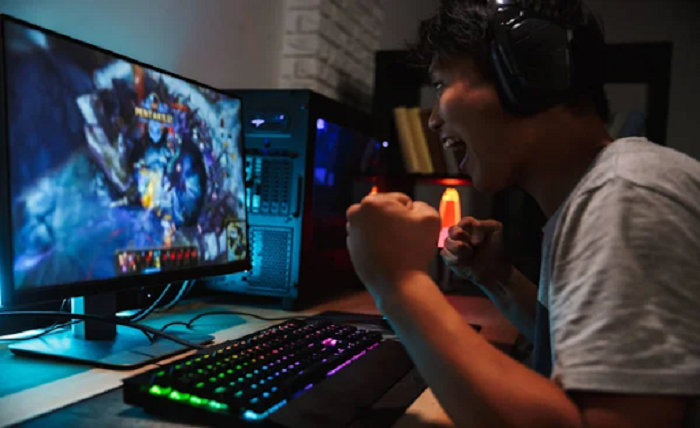
Have you ever watched a parent, child, cousin, or grandparent understand a game moment without needing a long explanation?
That is the magic of online gaming today. It has become a common way for people of different ages to connect, laugh, learn, and spend time together. A quick match, a shared goal, or a funny character choice can say something simple: “We are doing this together.”
Online gaming works across generations because play is something people already understand. The tools may be digital, but the feeling is familiar.
People have always enjoyed games, stories, teamwork, and friendly challenges. Online gaming brings those habits into one shared space where age matters less than the fun of taking part.
Play Has Always Connected People
Play is one of the oldest ways people bond. Children learn through it, adults relax through it, and families often use it to spend time together. Online slot gaming adds a modern setting, but the heart of it feels very human.
The reason it crosses age groups so well is simple: everyone understands the joy of trying, laughing, improving, and sharing a moment. You do not need perfect words when the activity itself brings people closer.
Simple Actions Make Sense to Everyone
In online games, many actions are easy to understand. Moving forward, helping a teammate, collecting points, choosing a character, or reaching a goal all feel natural.
A younger player might explain the controls, while an older player may bring calm thinking and patience. Both sides add something useful.
That mix creates a nice balance. One person may know the buttons better. Another may be good at planning. Together, they learn how to play as a pair or group.
Shared Goals Create Easy Conversation
Online gaming gives people something to talk about right away. Instead of asking, “What should we do?” the game gives the group a clear task.
That task may be simple:
- Finish a level
- Build something together
- Win a team round
- Solve a puzzle
- Try a new character
- Beat a personal score
These goals make conversation flow naturally. People cheer, laugh, give tips, and celebrate small wins.
Different Generations Bring Different Strengths
One lovely thing about online gaming is how each age group can bring its own style. Younger players may move fast and pick up features quickly. Older players may bring steady focus, patience, and smart decision-making.
When these styles meet, the game becomes more than play. It becomes a shared lesson, a chat, and a memory all at once.
Young Players Often Become Friendly Teachers
Many younger players enjoy showing others how things work. They explain buttons, menus, moves, and shortcuts in a natural way.
This can be a sweet role change in a family. A child or teen may become the teacher, while a parent or grandparent becomes the learner. That shift can feel fun and respectful.
It also builds confidence. Teaching someone a game is a clear way to say, “I can help you.”
Older Players Add Calm and Perspective
Older players often bring a relaxed style to gaming. They may take time to read the rules, think through choices, and enjoy the process.
That can help younger players slow down and enjoy more than the result. It turns the session into a shared activity, not just a fast challenge.
Here is a simple look at what each age group may bring:
| Generation | What They Often Add |
| Younger players | Quick learning, energy, fresh ideas |
| Adults | Focus, teamwork, steady choices |
| Older adults | Patience, humor, calm thinking |
| Mixed groups | Shared learning, stories, and connection |
Online Gaming Creates New Family Rituals
Families and friends often build routines around shared play. A weekend game session, a quick evening match, or a holiday gaming night can become part of how people stay close.
These rituals feel special because they are easy to repeat. People can return to the same game, the same group, or the same funny habits again and again.
It Gives Families a Shared Activity
Families often look for activities that different ages can enjoy together. Online DRAGON222 gaming can fit that need because many games allow players to choose their own pace and role.
One person may lead. One may explore. One may collect items. One may simply enjoy watching and chatting.
Everyone can take part in a way that feels comfortable.
It Turns Small Moments Into Stories
The best gaming memories are often simple. A funny mistake, a surprise win, a clever move, or a silly character outfit can become a story the family repeats later.
These stories become part of the group’s shared language. Someone may say one phrase from a past match, and everyone knows exactly what it means.
Why Online Gaming Feels Like a Common Language
A shared language does not always need words. Sometimes it is a look, a laugh, a goal, or a repeated routine. Online gaming brings all of these together.
Players communicate through actions, choices, timing, teamwork, and reactions. A helpful move can say, “I’ve got you.” A shared laugh can say, “That was fun.” A new invite can say, “Let’s spend time together again.”
Games Make Learning Feel Natural
Online gaming often teaches in a relaxed way. People learn by trying, watching, asking, and copying.
A grandparent may learn how to move a character. A parent may learn why a child likes a certain game. A child may learn patience while explaining. Everyone gains something from the exchange.
It Builds Bonds Through Shared Play
Across generations, people want many of the same things: time together, joy, comfort, and a sense of belonging. Online gaming supports all of that through simple shared play.
It gives families and friends a fresh way to talk, laugh, and understand each other. The screen may be modern, but the connection feels timeless.
That is why online gaming has become a shared language across generations. It turns play into a bridge, helping people of all ages meet in the same moment and enjoy it together.