
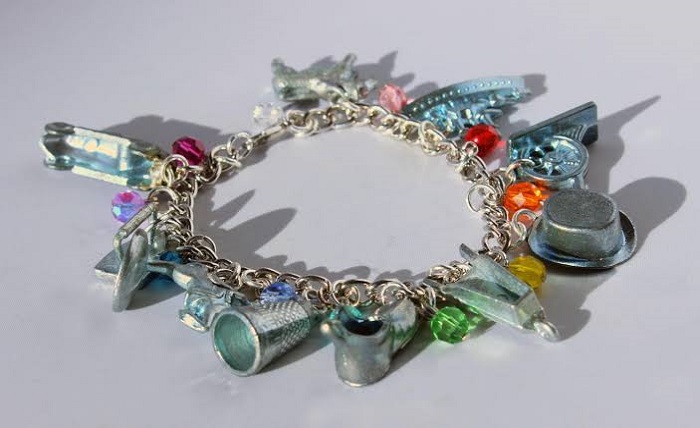
Monopoly jewellery refers to a growing niche in the fashion and accessories market where exclusive, often limited-edition jewellery pieces are designed to symbolize uniqueness, control, and rarity. The term is increasingly used to describe jewellery collections that are dominated by a single brand, designer, or concept, giving the impression of “monopoly” over style trends and luxury appeal.
In today’s fashion ecosystem, monopoly jewellery is not just about ownership of market space—it is also about cultural dominance. Brands that produce monopoly jewellery often set the tone for seasonal trends, dictate pricing standards, and influence consumer behavior. This makes monopoly jewellery highly desirable among collectors who value exclusivity.
The appeal of monopoly jewellery also comes from its storytelling aspect. Each piece often reflects a strong identity, whether inspired by power, wealth, minimalism, or artistic expression. As a result, buyers are not just purchasing accessories—they are investing in identity pieces.
Over the past decade, monopoly jewellery has evolved from niche luxury to mainstream fascination. Influencers and celebrities have further amplified its visibility, making it a symbol of prestige and modern elegance.
Monopoly Jewellery: The Origins and Evolution of Exclusive Jewellery Culture
The concept behind monopoly jewellery can be traced back to traditional luxury houses that controlled entire segments of the jewellery market. Historically, certain European brands dominated gemstone sourcing, design innovation, and retail distribution, effectively creating a monopoly-like structure.
Monopoly jewellery evolved as these brands expanded globally, maintaining strict control over production and branding. This allowed them to preserve exclusivity while increasing demand. Limited releases and seasonal collections became a hallmark of monopoly jewellery culture.
In modern times, digital marketing and social media have intensified this exclusivity. Monopoly jewellery brands now use online drops, invitation-only launches, and influencer partnerships to maintain scarcity. This has turned monopoly jewellery into a status-driven commodity.
Today, the evolution continues with independent designers entering the monopoly jewellery space. By controlling small but highly curated collections, they mimic the strategies of luxury giants while building their own niche dominance.
Monopoly Jewellery: Key Design Elements and Signature Styles
Monopoly jewellery is defined by its distinctive design language. Unlike mass-produced accessories, monopoly jewellery focuses on originality, symbolism, and craftsmanship. Designers often incorporate rare gemstones, unconventional shapes, and bold artistic statements.
A major feature of monopoly jewellery is minimal yet powerful design. Many pieces rely on clean lines and symbolic motifs rather than excessive ornamentation. This creates a strong visual identity that stands out in luxury fashion.
Another hallmark of monopoly jewellery is customization. High-end buyers often request personalized engravings, unique gemstone combinations, or bespoke settings. This enhances the sense of ownership and exclusivity.
Cultural influence also plays a role in monopoly jewellery design. Some collections draw inspiration from ancient civilizations, while others reflect futuristic aesthetics. This diversity ensures that monopoly jewellery remains relevant across different fashion markets.
Ultimately, the design philosophy behind monopoly jewellery is about dominance in simplicity—creating pieces that are instantly recognizable yet timeless.
Monopoly Jewellery: Market Value, Pricing, and Investment Potential
Monopoly jewellery is often associated with high market value due to its exclusivity and brand control. Pricing is influenced by materials, craftsmanship, and brand reputation. Limited availability further increases demand, making monopoly jewellery a strong investment option.
Collectors often view monopoly jewellery as a form of alternative asset. Just like art or rare watches, these pieces can appreciate over time. The resale market for monopoly jewellery is growing, especially for discontinued or limited-edition designs.
Another factor affecting value is brand monopoly. When a single brand dominates a design category, it can set premium pricing without competition. This pricing power is a defining feature of monopoly jewellery.
However, buyers should be cautious. Not all monopoly jewellery guarantees long-term value growth. Authentication, condition, and market trends play a crucial role in determining investment success.
Despite risks, monopoly jewellery remains attractive for investors who want both aesthetic enjoyment and financial potential in one asset class.
Monopoly Jewellery: Authenticity, Certification, and Buyer Protection
Authenticity is one of the most important aspects of monopoly jewellery. Due to its high value and demand, counterfeit pieces are common in the market. Buyers must ensure proper certification when purchasing monopoly jewellery.
Reputable brands provide certificates of authenticity, detailing gemstone quality, metal composition, and origin. These documents are essential for resale and insurance purposes.
Monopoly jewellery buyers should also verify serial numbers and branding marks. Many luxury brands engrave unique identifiers on each piece to prevent duplication.
Third-party authentication services have also become popular. These organizations specialize in verifying monopoly jewellery and protecting buyers from fraud.
Ultimately, purchasing monopoly jewellery requires careful attention to detail. Working with authorized dealers and trusted platforms ensures long-term security and value retention.
Monopoly Jewellery: Popular Trends and Celebrity Influence in 2026
In 2026, monopoly jewellery continues to be heavily influenced by celebrity endorsements and digital culture. High-profile figures often wear monopoly jewellery pieces during events, instantly increasing demand for similar designs.
Social media platforms have amplified the visibility of monopoly jewellery trends. Viral posts and influencer collaborations often lead to rapid sellouts of exclusive collections.
Current trends in monopoly jewellery include geometric minimalism, bold statement rings, and layered luxury chains. Sustainable materials are also becoming more popular as buyers demand ethical sourcing.
Another emerging trend is smart integration, where monopoly jewellery incorporates subtle technology such as tracking chips or digital authentication features.
Celebrity culture remains a driving force, ensuring that monopoly jewellery continues to evolve rapidly while maintaining its exclusive appeal.
Monopoly Jewellery: Buying Guide for First-Time Collectors
For first-time buyers, entering the monopoly jewellery market can feel overwhelming. The key is to start with research and understand brand reputation before making a purchase.
Beginners should focus on entry-level monopoly jewellery pieces such as simple rings, pendants, or bracelets. These allow collectors to understand quality and design standards without excessive risk.
Budget planning is also important. Monopoly jewellery ranges from affordable luxury to ultra-high-end pieces. Setting a clear budget helps narrow down choices effectively.
Buyers should also prioritize authenticity checks and resale value. Even entry-level monopoly jewellery should come with proper certification and documentation.
Over time, collectors can expand their portfolio into more exclusive and rare monopoly jewellery pieces, building both aesthetic and financial value.
Monopoly Jewellery: Conclusion on Its Cultural and Economic Impact
Monopoly jewellery has become more than just a fashion trend—it is a symbol of exclusivity, power, and artistic expression. Its influence spans across luxury markets, social media, and investment communities.
The cultural impact of monopoly jewellery lies in its ability to define status and identity. Owning such pieces often reflects personal success and refined taste.
Economically, monopoly jewellery continues to shape pricing structures and demand cycles within the luxury industry. Its scarcity-driven model ensures ongoing desirability.
As the market evolves, monopoly jewellery will likely integrate more technology, sustainability, and personalization. This ensures its relevance in the future of luxury fashion.
FAQs
What makes it different from regular jewellery?
Monopoly jewellery differs from regular jewellery due to its exclusivity, brand dominance, and limited production. It is designed to maintain rarity and high value.
Is it a good investment option?
Monopoly jewellery can be a strong investment if purchased from reputable brands and properly authenticated. Limited editions often increase in value over time.
How can I verify authenticity?
You can verify monopoly jewellery through certificates, serial numbers, and third-party authentication services provided by trusted experts.
Why is it so expensive?
Monopoly jewellery is expensive due to premium materials, craftsmanship, brand control, and limited availability, which increases demand and value.
Can beginners start collecting it?
Yes, beginners can start with entry-level monopoly jewellery pieces and gradually build a collection as they gain experience and knowledge.